

Happy Monday! ☀️
Welcome to the 341 new hungry minds who have joined us since last Monday!
If you aren't subscribed yet, join smart, curious, and hungry folks by subscribing here.

📚 Software Engineering Articles
Scaling Android Studio performance in massive monorepos
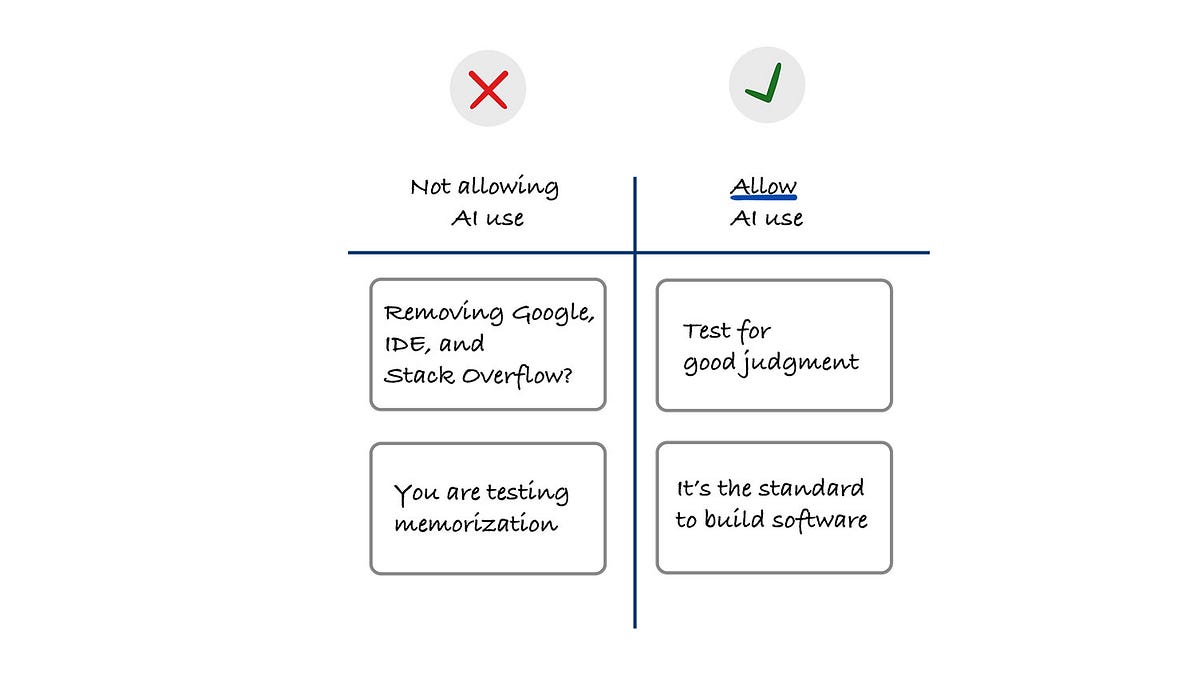
IC work is the new career flex for engineers
Verifiable rewards-based reinforcement learning with GRPO on SageMaker
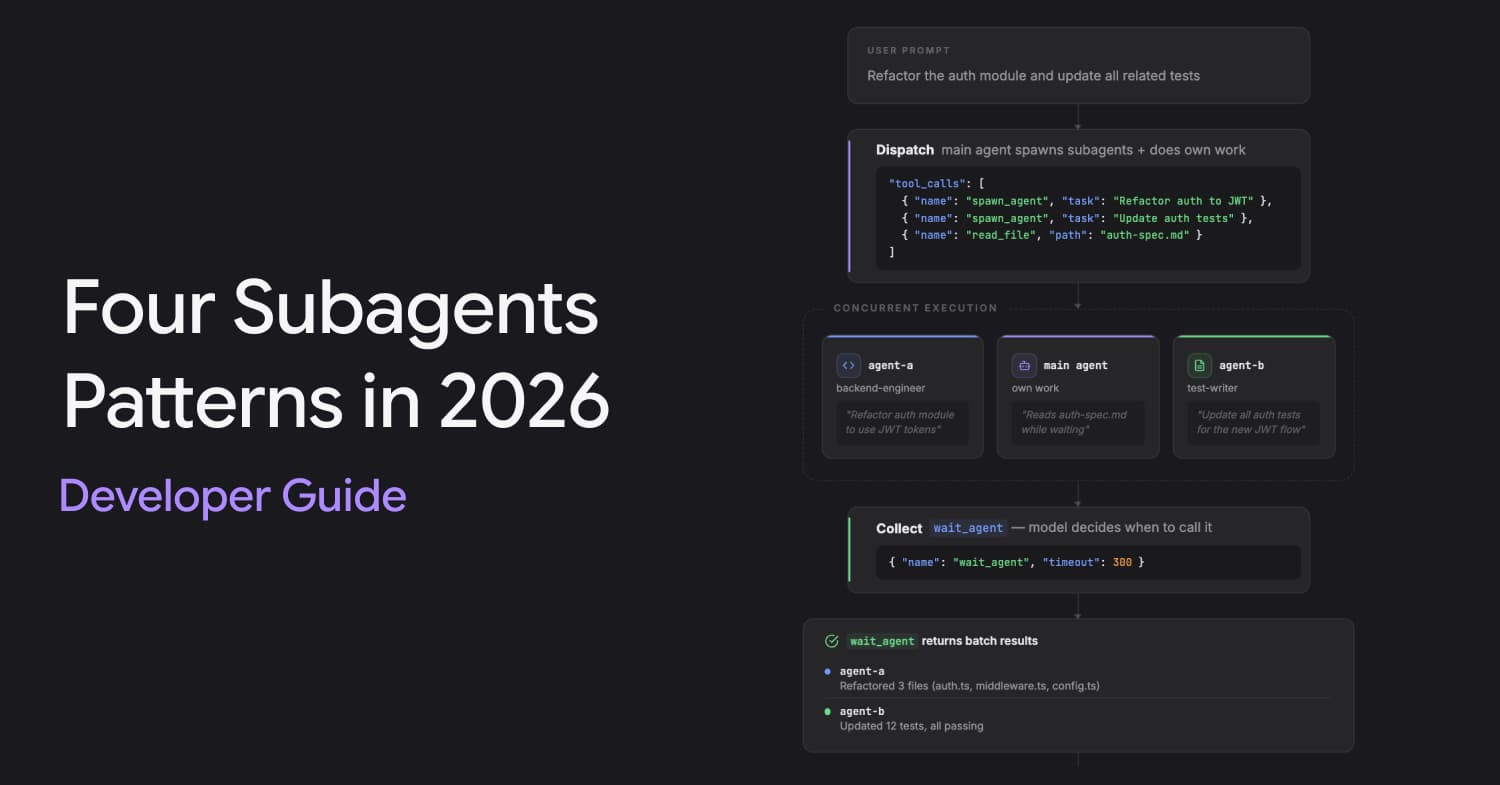
Four subagent patterns shaping AI agent architecture in 2026
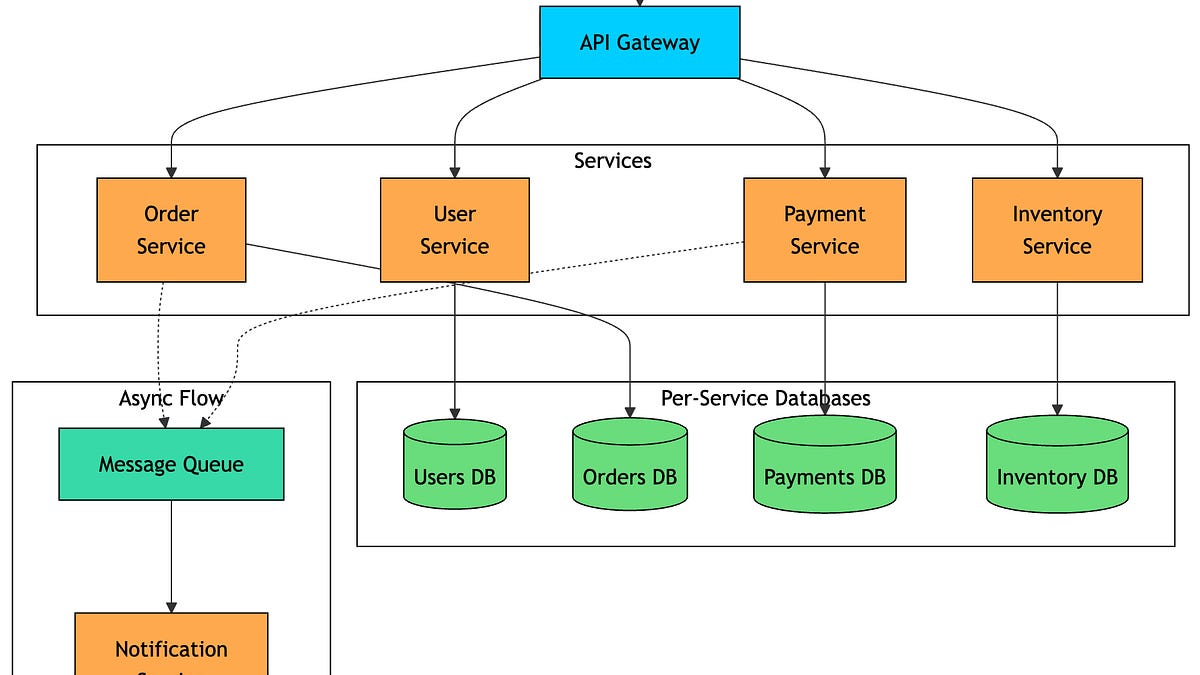
JWT security in Node.js: five critical errors explained
🗞️ Tech and AI Trends
Anthropic is now leading the AI boom's race forward
Google reveals AI helped hackers find major software vulnerabilities
Amazon employees are tokenmaxxing under AI adoption pressure
👨🏻💻 Coding Tip
Prevent cache stampede using probabilistic early expiration and request collapsing via background workers
Time-to-digest: 5 minutes

Discord runs millions of concurrent guild processes using Elixir's message-passing model, enabling near-instantaneous chat experiences at scale. But when things break, engineers were flying blind—metrics and logs couldn't explain why a guild suddenly felt laggy or why sessions couldn't connect.
The challenge: Implement distributed tracing across Elixir services that communicate via message passing (not HTTP), handle million-user fanouts without exploding span volume, and deploy with zero downtime on a system processing millions of concurrent operations.
Implementation highlights:
The Envelope primitive: Wrap all inter-process messages with metadata containers that transparently attach and propagate trace context without manual encoding at every call site
Zero-downtime rollout: Support both Transport and legacy message passing simultaneously, allowing gradual migration across fleet during normal deployments
Dynamic fanout sampling: Adjust trace sampling rates based on fanout size (100% for 1 session, 0.1% for 10k+) to prevent drowning in spans during massive broadcasts
Lazy context unpacking: Read just the sampling flag byte from trace context headers before expensive full parsing, cutting gRPC handler CPU overhead by half
Forbid root spans post-fanout: Sessions can only continue existing traces, never create new ones, eliminating redundant sampling decisions and regaining 10% CPU back
Results and learnings:
Complete visibility: End-to-end traces now reveal the exact flow and timing of operations across the entire platform, from API to guild to session
Pinpointed bottlenecks: Found that sessions were spending 75% of time unpacking trace context; a single-byte optimization fixed it
Real impact quantified: Discovered guild outages caused 16-minute connection delays for users—impossible to diagnose without tracing
Discord proved that you don't need HTTP headers to do distributed tracing—just some clever engineering and a willingness to challenge assumptions. Their approach of optimizing for zero overhead first, then adding instrumentation, is the opposite of "measure first," and it paid off spectacularly.




ARTICLE (token-twister-tango)
JWT in Node.js: How It Works, 5 Errors That Compromise Your API, and Refresh Token with Rotation
ARTICLE (ai-shoulder-surfer)
What "Built It Solo" Actually Means When You Work With AI
ARTICLE (pocket-monster-power-up)
A Year Late, Claude Finally Beats Pokémon
ARTICLE (nitpick-ninja-moves)
What to do if you're not "detail oriented"
ARTICLE (memory-lane-memories)
Redis array type: short story of a long development
ARTICLE (brain-box-builder)
Build an AI-Powered Learning Management System That Actually Trains People
ARTICLE (code-grim-reaper)
Software Engineers are Obsolete
ESSENTIAL (attention-grabber-guide)
A deep dive into the Transformer architecture
ARTICLE (spotify-spell-caster)
Building a Natural Language Interface to the Spotify Ads API with Claude Code Plugins
ARTICLE (startup-snatch-watch)
Why are AI companies buying the teams behind your favorite dev tools?
Want to reach 200,000+ engineers?
Let’s work together! Whether it’s your product, service, or event, we’d love to help you connect with this awesome community.

Brief: Hashimoto expresses concern that companies are caught in "AI psychosis," operating under the belief that AI agents can automatically fix bugs at scale, echoing past infrastructure lessons where over-automating resilience created hidden systemic risks that metrics failed to capture.
Brief: Canonical is shifting Ubuntu's AI strategy away from cloud-first approaches toward local inference and on-device models, offering modular design, user control, and inference snaps for simplified hardware-optimized AI installation while rejecting a global AI killswitch to maintain flexibility across different Ubuntu consumption methods.
Brief: AI is becoming the killer app of the next broadband era, but unlike streaming video, it's driven by upload traffic, not downloads—cloud sync now dominates upstream data, while IoT devices, connected cars, and voice search generate massive outbound flows that are reshaping how networks must be built.
Brief: Amazon employees are automating unnecessary tasks using the internal MeshClaw AI tool to artificially boost their token consumption and meet company AI adoption targets, creating perverse incentives despite management claims the metrics won't affect performance reviews.

This week’s tip:
Implement cache stampede prevention using probabilistic early expiration (xFetch pattern) combined with probabilistic collapsing of thundering herd requests via Kafka topics or Redis Streams. When a key nears expiration, refresh it with background workers before client demand spikes, reducing lock contention and miss-latency storms.

Wen?
High-QPS APIs with shared expensive dependencies: Probabilistic refresh (e.g., 25% of clients trigger background refresh at 75% TTL) avoids coordinated expiry spikes that spike backend load 10x.
Distributed caches with hot keys: Combine with Kafka consumer groups to load-balance refresh requests across workers; prevents single coordinator from becoming a bottleneck.
Session caches with long TTLs: Early refresh at 75% TTL reduces the window where lock-wait cascades occur; stale-while-revalidate pattern masks latency from clients.
Learn from the rejection and turn it into an opportunity!
Mary Engelbreit


That’s it for today! ☀️
Enjoyed this issue? Send it to your friends here to sign up, or share it on Twitter!
If you want to submit a section to the newsletter or tell us what you think about today’s issue, reply to this email or DM me on Twitter! 🐦
Thanks for spending part of your Monday morning with Hungry Minds.
See you in a week — Alex.
Icons by Icons8.
*I may earn a commission if you get a subscription through the links marked with “aff.” (at no extra cost to you).