
Today’s issue of Hungry Minds is brought to you by:


Happy Monday! ☀️
Welcome to the 177 new hungry minds who have joined us since last Monday!
If you aren't subscribed yet, join smart, curious, and hungry folks by subscribing here.

📚 Software Engineering Articles
AI tools made me 10x faster at creating technical debt.
Learn to design Twitter's timeline in this comprehensive frontend guide
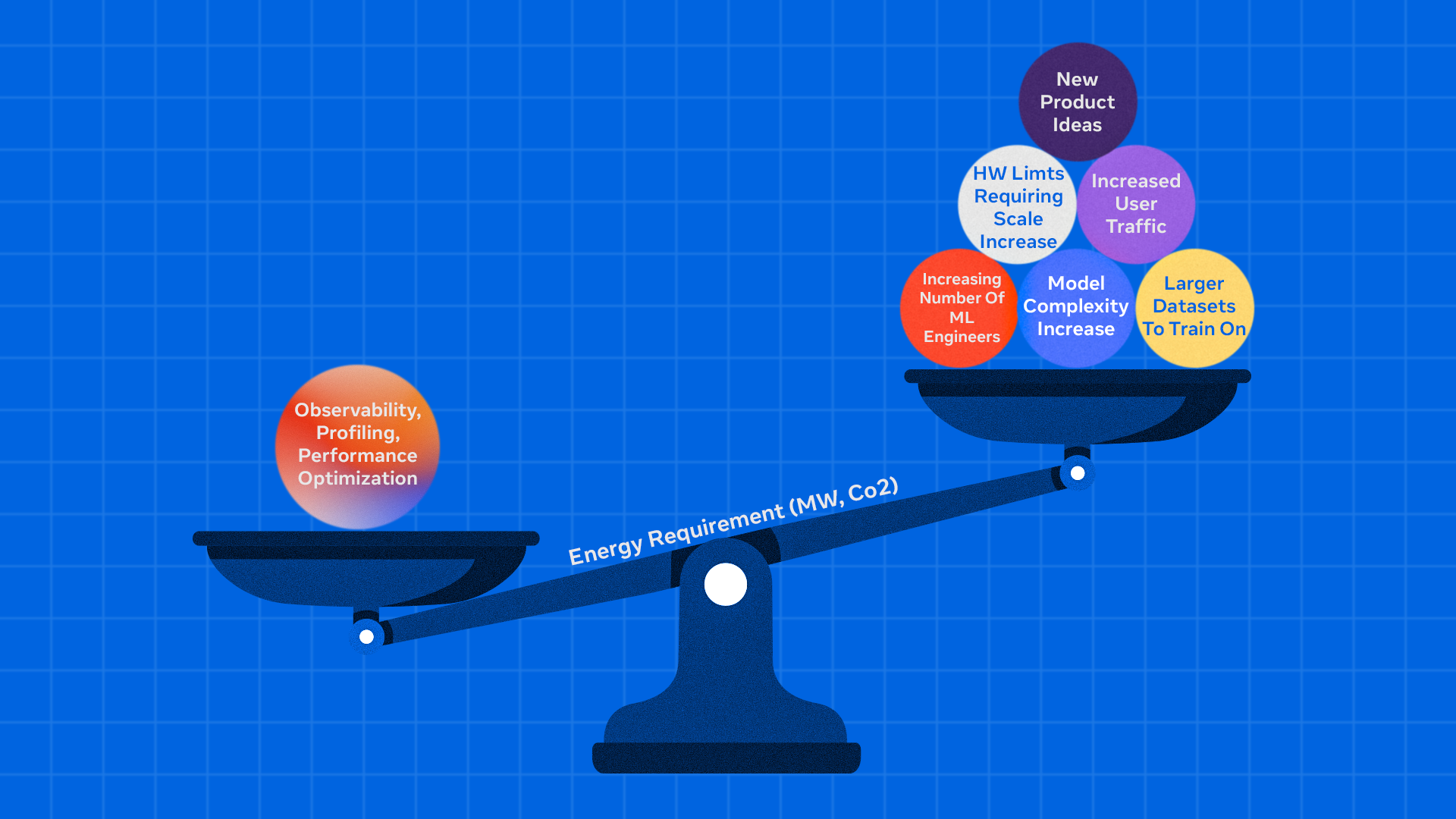
Meta's Zoomer tool revolutionizes AI debugging and performance optimization
How to migrate from 2-tier to 3-tier with GraphQL
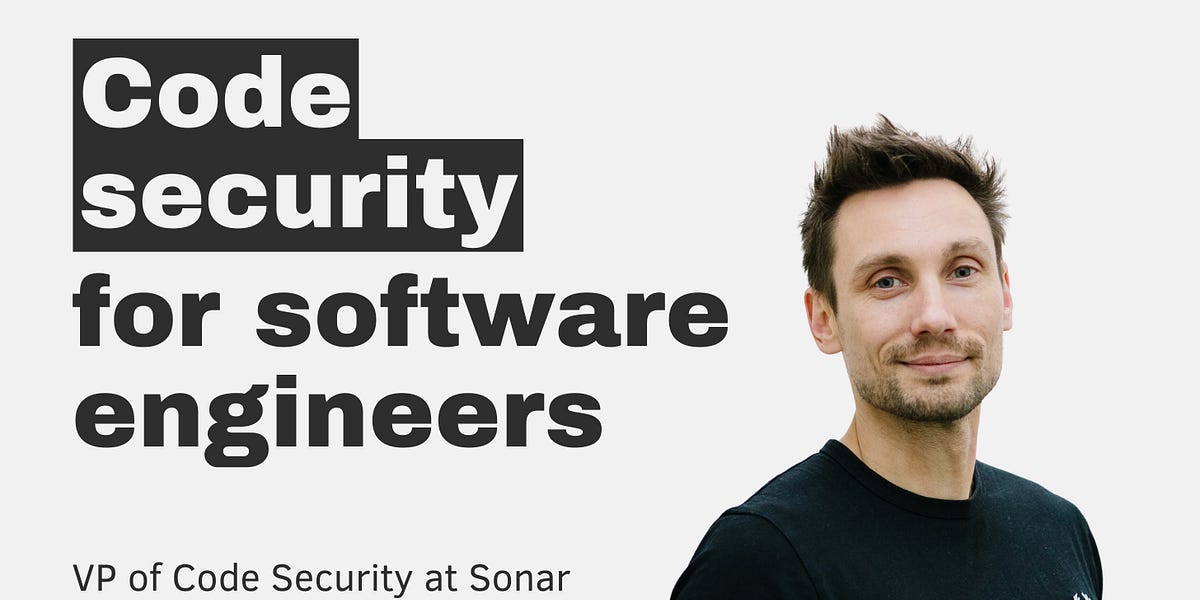
Essential code security practices every developer should know
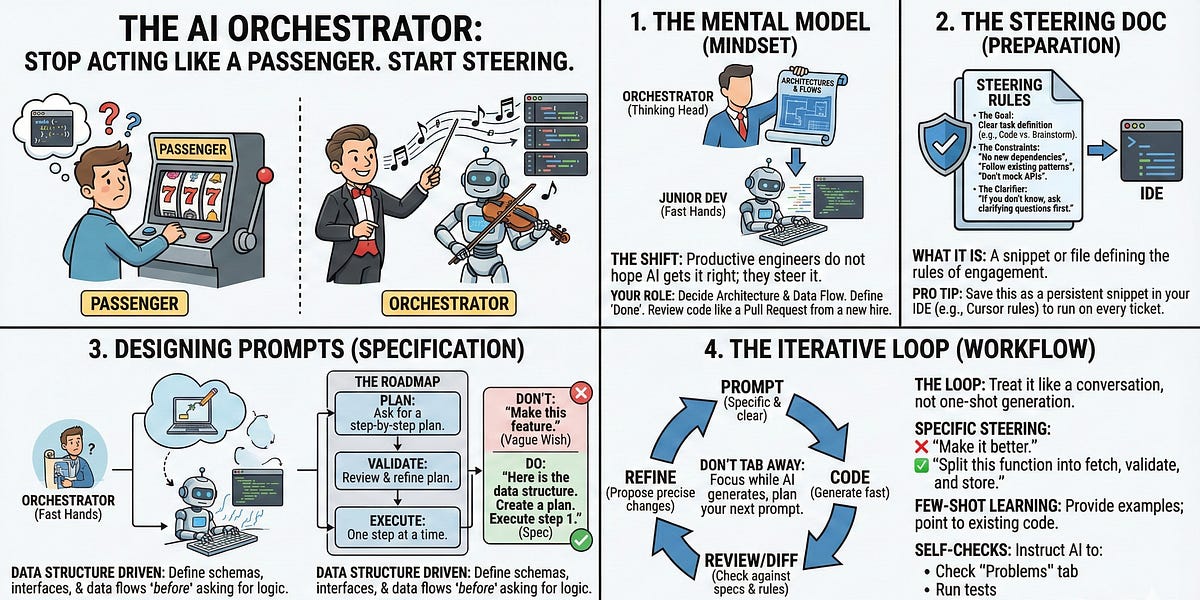
Transform AI into a reliable coding partner
🗞️ Tech and AI Trends
Meta and Google discuss TPU partnership to challenge Nvidia
OpenAI plans to unveil new hardware device within two years
Security alert: Over 300 NPM packages compromised by Shai-Hulud
👨🏻💻 Coding Tip
React Server Components reduce bundle size while maintaining interactivity
Time-to-digest: 5 minutes
Big thanks to our partners for keeping this newsletter free.
If you have a second, clicking the ad below helps us a ton—and who knows, you might find something you love. 💚

The prototype worked. Production didn't. Now teams are paying $200-300K to rebuild what AI shipped in a weekend.
OutSystems Agent Workbench skips the rebuild entirely:
Connects to your LLMs, data sources, and workflows — no integration duct tape
Low-code visual builder your existing team actually ships with
Enterprise governance, security, and audit trails from day one
Full lifecycle in one platform: build, deploy, monitor, audit
Already trusted by Axos Bank, Thermo Fisher, and 5,500+ agents in development.

Lyft transformed their ML infrastructure from a complex Kubernetes-based system to a hybrid architecture combining AWS SageMaker for training and Kubernetes for serving. This evolution enabled them to process hundreds of millions of predictions daily while reducing operational overhead and improving developer experience.
The challenge: Build a scalable ML platform that maintains full functionality and compatibility while dramatically reducing operational complexity and infrastructure management burden.
Implementation highlights:
Hybrid architecture: SageMaker for training/compute, Kubernetes for real-time serving
Cross-platform compatibility layer: Same Docker images work seamlessly across both environments
Zero-code-change migration: Custom runtime environment replicates K8s behavior in SageMaker
Optimized startup times: SOCI indexes and warm pools match K8s performance
Cross-cluster Spark: Enable interactive notebooks to run Spark jobs across SageMaker and K8s
Results and learnings:
Reduced operational burden: Eliminated infrastructure management overhead and complex state handling
Better cost efficiency: Pay-per-use compute eliminated idle cluster resources
Higher reliability: Significantly fewer infrastructure-related incidents
This evolution shows that pragmatic platform engineering isn't about choosing managed vs custom solutions - it's about picking the right tool for each workload while hiding complexity from users. Like a great magic trick, the best infrastructure changes are the ones your users never see!



ARTICLE (dev shopping spree)
The ultimate gift guide for the developer in your life
ESSENTIAL (agent whisperer)
Practical Guide on how to build an Agent from scratch with Gemini 3
GITHUB REPO (git-chatter-box)
Gitlogue
GITHUB REPO (gemini-wizard)
Gemini CLI Tips and Tricks
GITHUB REPO (code-wanderlust)
Travels
ARTICLE (ai-code-buddy)
Evolving GitHub Copilot's next edit suggestions through custom model training
ESSENTIAL (money-pit-saga)
Trillions spent and big software projects are still failing
GITHUB REPO (lambda-crystal-ball)
AWS Lambda Roadmap
ARTICLE (robot-assistants)
Background Coding Agents: Context Engineering
Want to reach 200,000+ engineers?
Let’s work together! Whether it’s your product, service, or event, we’d love to help you connect with this awesome community.

Brief: Meta is reportedly in discussions with Google to potentially use their TPU AI chips, signaling a strategic shift in AI hardware partnerships as tech giants race to power their artificial intelligence initiatives.
Brief: Judge Brinkema considers whether to force Google to spin off its $3.64T ad tech business after antitrust violation ruling, with concerns about implementation timing as the tech giant faces potential restructuring of its advertising empire.
🚀 WebGPU Now Supported Across All Major Browsers, Unlocking High-Performance Computing on Web (4 min)
Brief: WebGPU, the next-gen graphics API, is now available in Chrome, Edge, Firefox, and Safari, enabling high-performance 3D graphics and GPU computations for gaming, AI, and data visualization directly in browsers.
Brief: Amazon's Project Kuiper enters the satellite internet race against SpaceX's Starlink, promising gigabit speeds in upcoming beta testing while planning to launch over 3,200 satellites by 2029.
Brief: HelixGuard security report reveals a massive vulnerability scan affecting hundreds of npm packages, including major frameworks and tools like AsyncAPI, PostHog, and VoiceFlow, requiring immediate security updates.

This week’s coding challenge:
This week’s tip:
React Server Components enable zero-bundle-size server-side data fetching while maintaining interactive client components through selective hydration. Use the 'use client' directive only for components requiring browser APIs or event handlers.

Wen?
SEO-critical pages: Product pages, blog posts where initial content must be server-rendered
Large datasets: Dashboard components that fetch and display extensive server data
Performance optimization: Reducing JavaScript bundle size while maintaining interactivity
Keep others in suspense, cultivate an air of unpredictability.
Robert Greene


That’s it for today! ☀️
Enjoyed this issue? Send it to your friends here to sign up, or share it on Twitter!
If you want to submit a section to the newsletter or tell us what you think about today’s issue, reply to this email or DM me on Twitter! 🐦
Thanks for spending part of your Monday morning with Hungry Minds.
See you in a week — Alex.
Icons by Icons8.
*I may earn a commission if you get a subscription through the links marked with “aff.” (at no extra cost to you).