

Happy Monday! ☀️
Welcome to the 225 new hungry minds who have joined us since last Monday!
If you aren't subscribed yet, join smart, curious, and hungry folks by subscribing here.

📚 Software Engineering Articles
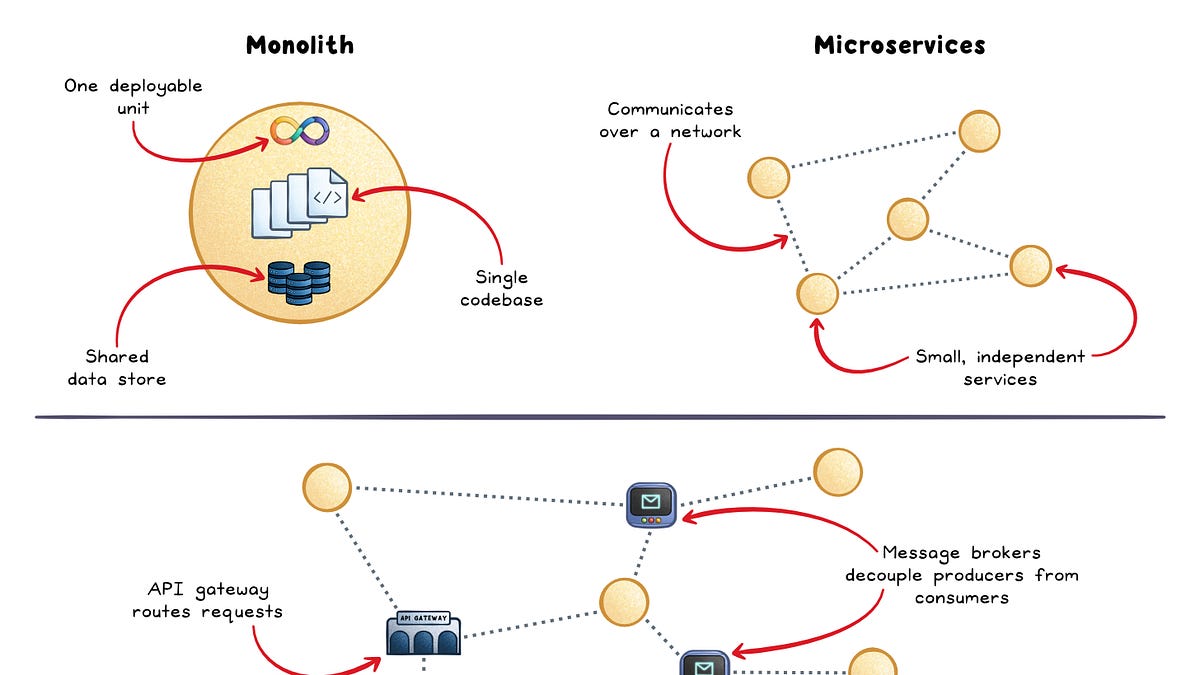
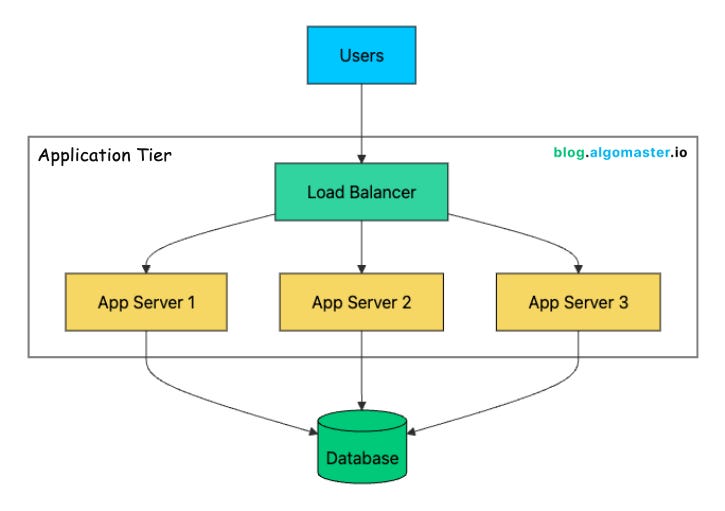
Essential guide to scaling from 0 to 10M+ users
Meta's new StyleX revolutionizes CSS at scale
How Uber moves petabytes of data daily
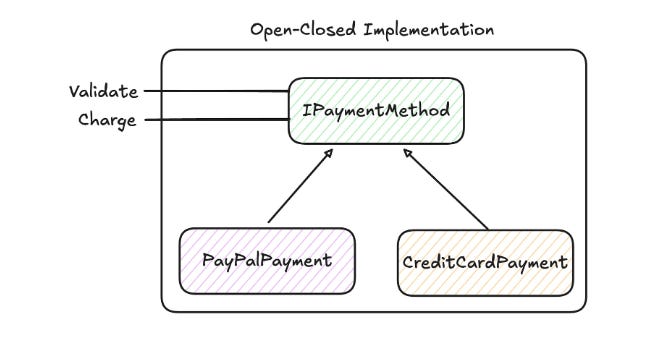
7 key lessons from C# and TypeScript architect
Breaking: AI can now write CUDA kernels using Claude
🗞️ Tech and AI Trends
Amazon slashes 16,000 jobs in major restructuring
OpenAI launches Prism, their most powerful model yet
Gemini integration makes Chrome browsing smarter
👨🏻💻 Coding Tip
Redis pipelining boosts performance 10x by batching commands together
Time-to-digest: 5 minutes

Google built a global authorization system that handles over 10M permission checks per second across services like Drive, YouTube, and Photos. Zanzibar's elegant design proves that complex authorization can be both scalable and developer-friendly through smart architectural choices.
The challenge: Building a globally distributed authorization system that maintains both consistency and sub-millisecond performance while handling trillions of permission records.
Implementation highlights:
Tuple-based modeling: Simple object-relation-user format makes complex permissions manageable
Zookie protocol: Ensures consistency between permission changes and content updates using timestamp tokens
Global replication: 10,000+ servers across 30+ locations for low-latency local reads
Smart caching: Uses consistent hashing and request deduplication to handle hotspots
Leopard indexing: Pre-computes group memberships to avoid expensive recursive checks
Results and learnings:
Lightning fast: 99% of checks complete in under 9ms using local replicas
Rock solid: Maintained 99.999% availability over 3 years
Battle-tested: Successfully powers authorization for billions of users across Google's ecosystem
Zanzibar shows that even the most complex authorization problems can be tamed with clean abstractions and data-driven optimizations. You don't need Google's scale to benefit from its lessons in building predictable, maintainable permission systems.


ARTICLE (uber again!)
How Uber Scaled Data Replication to Move Petabytes Every Day
GITHUB REPO (FDE at Google)
The roadmap to FDE
ESSENTIAL (legendary coder speaks)
7 learnings from Anders Hejlsberg: The architect behind C# and TypeScript
GITHUB REPO (secure-your-yard)
Fence
ARTICLE (copilot-my-time-machine)
Context windows, Plan agent, and TDD: What I learned building a countdown app with GitHub Copilot
GITHUB REPO (figma-vibes-only)
VibeFigma
ESSENTIAL (meta-styles-party)
CSS at Scale With StyleX
ESSENTIAL (baby-devs-welcome)
Companies Should Hire Junior Engineers
ARTICLE (ai-code-buddies)
Best LLMs for coding in 2026
Want to reach 200,000+ engineers?
Let’s work together! Whether it’s your product, service, or event, we’d love to help you connect with this awesome community.

Brief: Amazon continues its cost-cutting measures with a new round of 16,000 layoffs across multiple divisions globally, marking one of the largest tech workforce reductions in early 2026.
Brief: Google introduces major Chrome updates powered by Gemini 3, including a new side panel for multitasking, auto-browse capabilities for complex tasks, and Connected Apps integration with Gmail, Calendar, and other Google services.
Brief: A frustrated software developer shares his journey of switching to Linux after 20+ years of Windows usage, triggered by Microsoft's aggressive updates, intrusive ads, and critical bugs in Windows 11, while providing insights on the current state of Linux for various use cases.
Brief: Moltbook debuts as a pioneering social platform exclusively for AI agents to interact, featuring 1.5M AI users, various communities called "submolts," and a unique system where agents can share content while humans observe their interactions.

This week’s tip:
Redis pipelining reduces network round-trips by batching multiple commands into a single request. This technique can improve throughput by 5-10x when executing many operations sequentially.

Wen?
Bulk data operations: Loading large datasets into Redis with minimal latency impact
Cache warming: Preloading thousands of keys during application startup
Batch analytics: Collecting multiple metrics in a single atomic operation
It does not matter how slowly you go so long as you do not stop.
Confucius


That’s it for today! ☀️
Enjoyed this issue? Send it to your friends here to sign up, or share it on Twitter!
If you want to submit a section to the newsletter or tell us what you think about today’s issue, reply to this email or DM me on Twitter! 🐦
Thanks for spending part of your Monday morning with Hungry Minds.
See you in a week — Alex.
Icons by Icons8.
*I may earn a commission if you get a subscription through the links marked with “aff.” (at no extra cost to you).